


 400-0000-000
400-0000-000
400-0000-000
 Published on 2025-08-05
 Author: EB (Equator Business) Group
The composition design of magnesium alloys aims to optimize the physical, mechanical, and processing properties of magnesium. Common alloying elements and their functions are as follows:
Aluminum (Al): Improving strength and casting performance, it is the most commonly used alloying element (such as AZ series).
Zinc (Zn): improves casting fluidity and creep resistance (such as ZK series).
Manganese (Mn): removes impurities such as iron and improves corrosion resistance (such as AM series).
Zirconium (Zr): Refines grain size, improves high-temperature strength and creep performance (such as ZK series).
Rare earth elements (RE), such as yttrium and neodymium, significantly improve heat resistance and high-temperature strength (such as the WE series).
Lithium (Li): further reduces density (Mg Li alloy is the lightest known metal structural material).
According to the alloy system and application, magnesium alloys are mainly divided into the following categories:
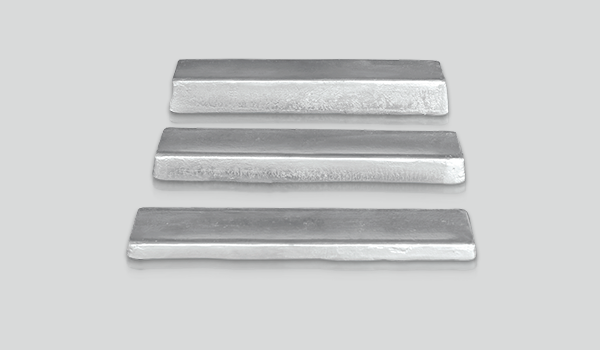
Mg Al series (aluminum magnesium series): The most common commercial magnesium alloys, such as AZ91 (containing 9% Al, 1% Zn), AM60 (containing 6% Al, 0.3% Mn), have both strength and ductility, and are widely used in die-casting parts (such as automotive components).
Mg Zn system (zinc magnesium system): such as ZK60 (containing 6% Zn, 0.5% Zr), with high strength and good heat resistance, suitable for forging or extrusion processing.
Mg RE system (rare earth magnesium system): such as WE43 (containing 4% Y, 3% Nd), high temperature resistance (can work up to 250 ℃ or above), used for aerospace engine components.
Mg Li series (lithium magnesium series): with a density of only 1.35-1.65g/cm ³ (lighter than plastic), it combines ultra light and high specific stiffness, but is difficult to process and mainly used in special fields (such as satellite structures).


 没有了!
没有了!